
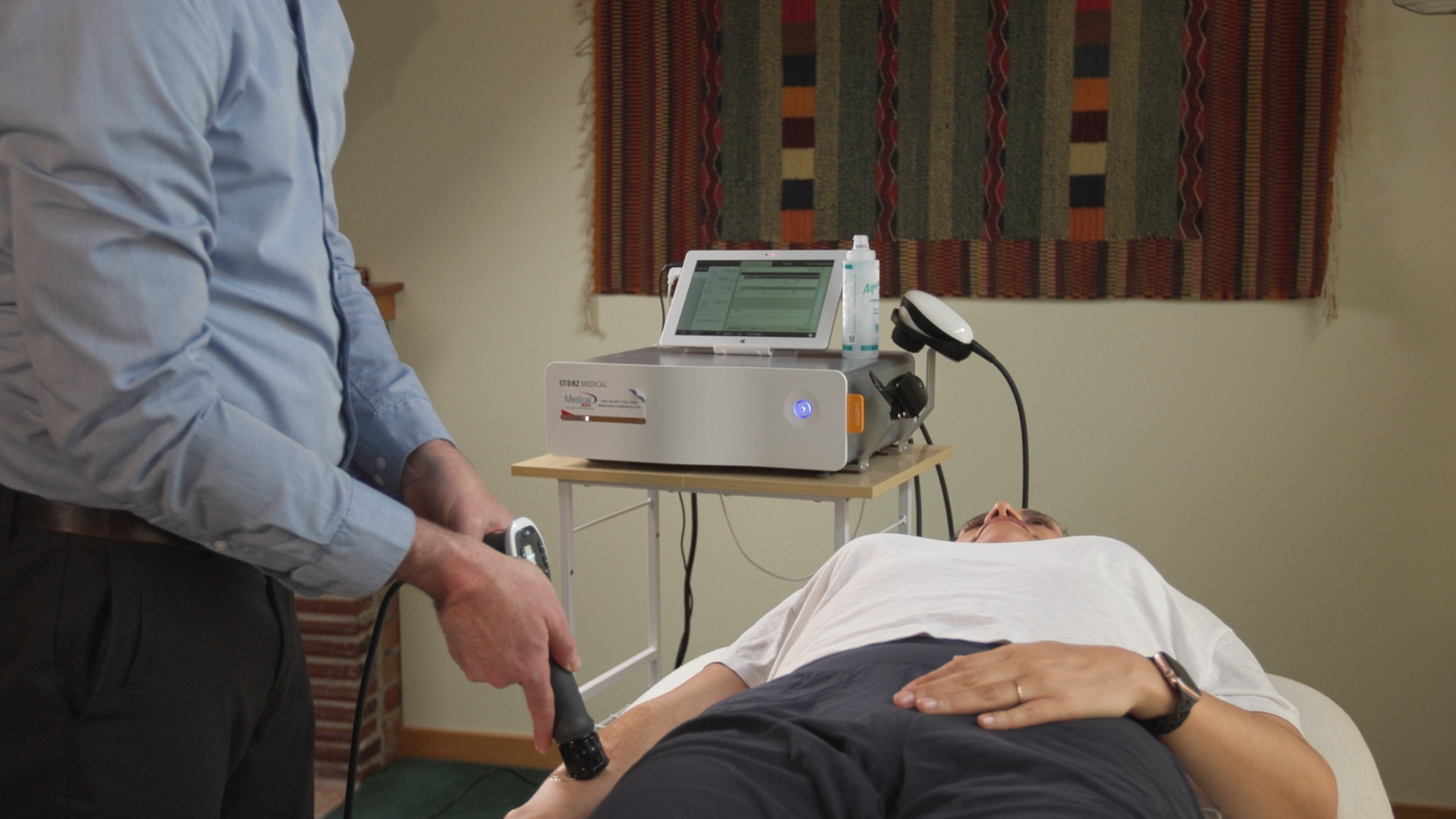
Ashland Shockwave provides radial shockwave therapy for chronic tendon pain, stubborn soft-tissue injuries, and overuse problems that have not improved enough with rest, mobility work, or standard conservative care alone.
A common question is whether shockwave therapy is the right fit for a specific condition. While not every injury responds the same way, shockwave therapy is often considered for problems involving irritated tendon tissue, chronic heel pain, shoulder pain, lateral hip pain, and other lingering musculoskeletal issues that have stopped progressing well on their own.
When Shockwave Therapy May Be Most Useful
Some injuries improve with a short period of rest, simple activity changes, or basic home care. Others keep lingering for weeks or months, especially when tendon tissue stays irritated, movement remains painful, or the same area keeps flaring up with walking, lifting, training, or work.
Shockwave therapy is usually considered when pain has become stubborn, progress has stalled, and the tissue may need a stronger stimulus to support recovery.
Conditions That Often Lead People to Consider Shockwave Therapy
Plantar fasciitis and chronic heel pain
Shockwave therapy is commonly used for stubborn heel pain, especially when first-step pain in the morning, pain with walking, or recurring soreness has lasted longer than expected.
Rotator cuff irritation and chronic shoulder pain
Some shoulder problems keep limiting reaching, lifting, training, sleeping, or overhead movement even after rest or exercise. Shockwave therapy may help in persistent cases where the tissue remains reactive.
Patellar tendinopathy and chronic knee tendon pain
Pain around the front of the knee can become difficult to calm down when jumping, squatting, running, hiking, or training continue to irritate the tendon. Shockwave therapy may be useful when the problem has become chronic.
Gluteal tendinopathy and chronic lateral hip pain
Lateral hip pain can make walking, sleeping on one side, climbing hills, or staying active uncomfortable. Shockwave therapy may help when irritation around the gluteal tendon or greater trochanter area keeps lingering.
Achilles tendon pain
Achilles pain that keeps returning with running, hiking, workouts, or increased activity is another condition where shockwave therapy is often considered.
Tennis elbow or golfer’s elbow
Persistent elbow pain from gripping, lifting, typing, training, or repetitive arm use may also be a reasonable fit when the problem has stopped improving with basic care alone.
What Usually Makes Someone a Better Fit
Shockwave therapy is often a better fit when:
- pain has lasted longer than expected
- the problem keeps returning with activity
- the tissue seems stuck rather than steadily improving
- walking, lifting, training, work, or sleep are still being affected
- simpler conservative care has helped only a little or not enough
What Treatment May Look Like
Brief treatment visits
Visits are typically about 30 minutes long and are designed to fit into a normal week.
A short series, not just one visit
Many chronic tendon and soft-tissue cases respond best over a series of 4 to 8 visits rather than expecting everything to change after one session.
No surgical-style downtime
There is no surgical-style downtime after treatment, although the area may feel sore for 2 to 3 days, similar to how you might feel after a strong workout or deep soft-tissue work.
The condition still matters
Shockwave therapy works best when treatment is matched to the right problem. Load management, strength progression, mobility work, and activity modification may still matter depending on the condition.
Not Sure Whether Your Condition Is a Good Fit?
If you are dealing with a stubborn injury and want to know whether shockwave therapy may make sense for your situation, the next step is to book.
Leave a Reply